
As regional tensions escalated, Bulgaria closed its embassy in Tehran and evacuated its diplomatic personnel, following Israeli alerts issued to residents in surrounding regions.
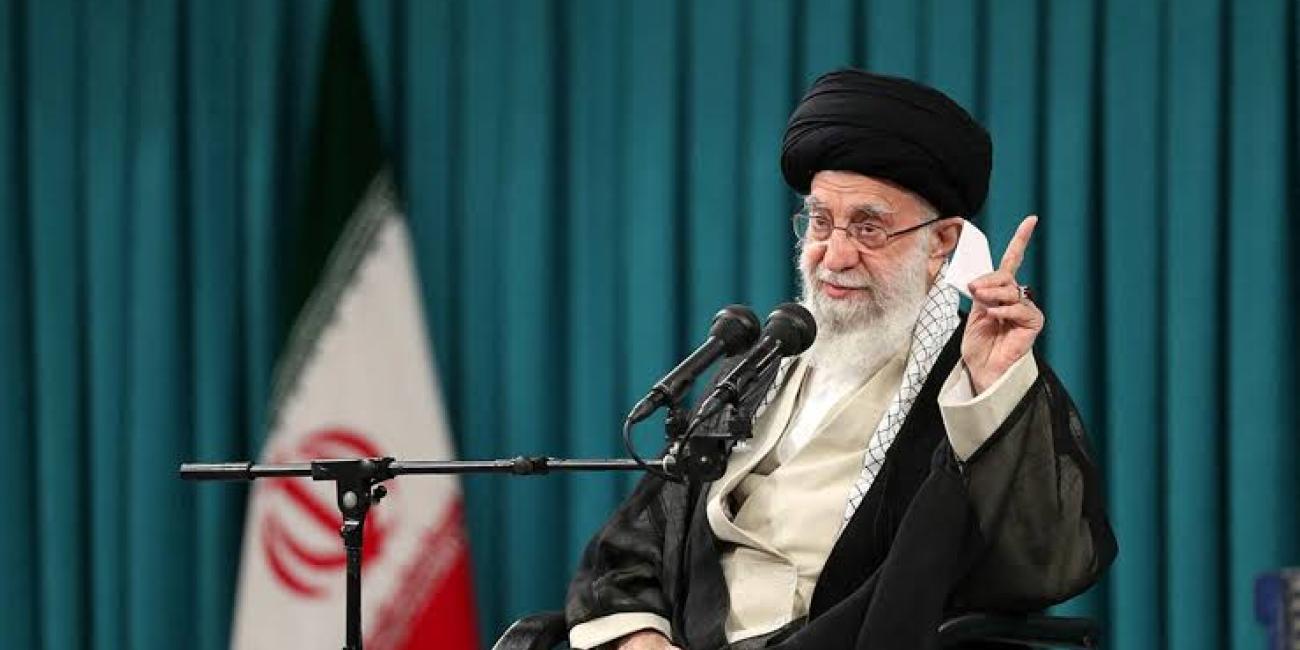
Israel’s Defence Minister, Israel Katz, delivered a bold and unprecedented warning to Iran’s Supreme Leader, Ayatollah Ali Khamenei, announcing that “eliminating” him has become an official objective of Israel’s military campaign.
In his exact words: “A man like [Khamenei] has always aimed at destroying Israel through his agents.
This man, who is willing to attack us, must not stay alive. This matter, the matter of stopping this man, eliminating him, is part of the campaign, and we now understand his role because before, he was talking about the destruction of Israel.”
Katz further stated that Khamenei “cannot continue to exist,” signaling a sharp shift in Israel’s military doctrine—from previously targeting nuclear assets to now openly aiming at regime leadership, Al Jazeera reported.
This dramatic statement followed recent missile attacks launched by Iran, which struck four sites in Israel, including the Soroka Medical Center in Beersheba—one of the country’s top hospitals. Iran maintained its primary target was a nearby Israeli military and intelligence compound.
The International Atomic Energy Agency (IAEA) reported Iran’s lack of adherence to nuclear safeguard protocols but confirmed it had “no evidence” indicating active nuclear weapons development.
In response, Iran’s Foreign Ministry labeled IAEA chief Rafael Grossi’s comments as “too late” and accused the agency of “biased” assessments that allegedly provided Israel with a “pretext” to launch attacks.
READ MORE: Benue Massacre: Resign Now – Youth Forum Tells Tinubu
In retaliation, Israel conducted an airstrike on Iran’s inactive Arak heavy water reactor. The IAEA verified that there were “no radiological effects” resulting from the attack.
Following these events, Bulgaria withdrew its diplomatic staff and evacuated its embassy in Tehran, prompted by Israel’s public warnings to neighboring populations.
Precautionary safety measures were taken in Tel Aviv, where structures around the stock exchange were sealed off due to falling debris. In Holon, a missile strike caused a residential building to collapse.
Meanwhile, U.S. Special Envoy for Syria, Tom Barrack, issued a stern warning to Hezbollah, stating: “I can say on behalf of President Trump … that would be a very, very, very bad decision.”
Turkey, on its part, reinforced its border with Iran and maintained heightened surveillance. A source within the Turkish Defence Ministry confirmed that air defense systems and radar operations had been activated in anticipation of any sudden developments.
Former U.S. President Donald Trump also weighed in on the situation via social media, posting: “We are not going to take him out (kill!), at least not for now … Our patience is wearing thin.”
Iranian Foreign Minister Abbas Araghchi announced forthcoming talks with his British, French, and German counterparts, alongside the EU’s foreign policy chief, in Geneva—at their invitation.
Across the Gulf, satellite imagery showed repositioned aircraft at Al Udeid Air Base in Qatar, a major U.S. military hub. Similar activity was previously noted at the U.S. 5th Fleet base in Bahrain, a known strategy to reduce vulnerability in anticipation of potential conflict.
Follow the Parallel Facts channel on WhatsApp: https://whatsapp.com/channel/0029VaCQSAoHgZWiDjR3Kn2E