The United Nations has identified Nigeria as one of 16 countries facing severe hunger crises, warning that millions of people could be pushed to the brink of famine.
The Food and Agriculture Organization (FAO) and the World Food Programme (WFP) released a joint report on Wednesday highlighting escalating food insecurity across the globe.
The report, which covers November 2025 through May 2026, classifies Nigeria along with Afghanistan, the Democratic Republic of the Congo, Myanmar, Somalia, and the Syrian Arab Republic as “very high concern” countries. Conflict and violence remain the main drivers of hunger in 14 of the 16 hotspots.
The joint report warns that funding shortfalls are exacerbating already critical conditions. As of the end of October 2025, only $10.5 billion of the $29 billion needed to help people most at risk had been received, forcing reductions in food rations and limiting access to essential assistance for refugees and displaced persons. Critical nutrition and school feeding programs have also been suspended in some areas, leaving children and vulnerable families at extreme risk.
FAO Director-General QU Dongyu said, “The world’s early warning systems work – this is fundamental for early action. We must move from reacting to crises, to preventing them. Investing in livelihoods, resilience, and social protection before hunger peaks will save lives and resources. Famine prevention is not just a moral duty – it is a smart investment in long-term peace and stability.”
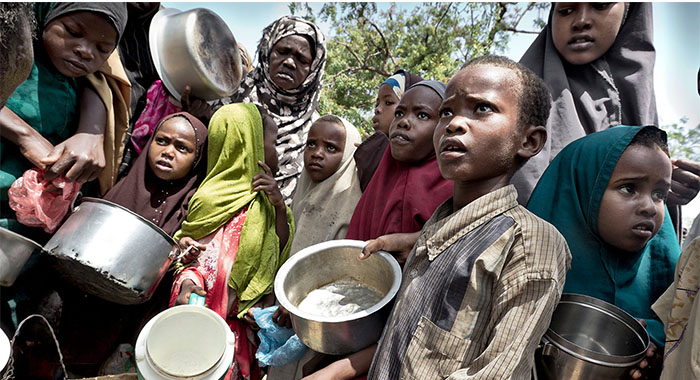
WFP Executive Director Cindy McCain added, “We are on the brink of a completely preventable hunger catastrophe. Mothers are skipping meals so their children can eat, and families are exhausting what little they have left as they struggle to survive. We urgently need new funding and unimpeded access – a failure to act now will only drive further instability, migration, and conflict.”
The report emphasizes that famine is almost always predictable and preventable, urging governments, donors, and humanitarian partners to act decisively. Anticipatory measures – assistance before crises escalate – and sustained investments in resilience-building are critical to protecting rural livelihoods and averting mass starvation.
The Hunger Hotspots report is part of a suite of analytical products funded by the European Union under the Global Network Against Food Crises, aimed at enhancing early warning systems and supporting timely humanitarian response.
Follow the Parallel Facts channel on WhatsApp: https://whatsapp.com/channel/0029VaCQSAoHgZWiDjR3Kn2E